Mobile games generate billions of dollars annually through in-app purchases. But why do players spend real money on virtual items? The answer lies in behavioral psychology.
Game developers use carefully designed mechanics that trigger emotional responses such as fear of missing out (FOMO), social comparison, and instant gratification.
Understanding player behavior is essential for developers working in the mobile gaming industry and helps players make more informed decisions about in-game spending.
Why Players Spend Money on In-Game Purchases
Mobile games offer something from in-game purchases that could be cosmetic items, power-ups, and exclusive content, thereby sophisticating a particular gaming experience that engages with its enjoyment and immersion.
The lingering thought, however, is why do players feel that they actually need to spend real money on virtual items? A combination of psychological compulsions exploiting our innate wants and fears answers this question.
FOMO, Fear of Missing Out
FOMO is such a potent psychological phenomenon that it affects many areas in our lives, and mobile gaming is no exception.
In games, it is said that the FOMO manifests itself in cases where players feel they might miss out on some limited time offers, exclusive items, or special events. This fear potentially brings a lot of impulse buying as the player wants to secure the item before it is gone.
For example, a mobile game may introduce a limited time character or skin that players can obtain for a short time. Such time constraints can dramatize the whole FOMO business, and therefore players are more likely to go ahead and spend their money to obtain the item even if they had no intention of obtaining it in the first place.
So that gets to be the underlying marketing strategy that exploits the fear of regret at having missed something that could be valuable.
Social Comparison and Status
Social comparison is another mental aspect that drives mobile game spending. Players compare their achievements, state of progress, and items in their possession versus what other players or their friends have.
The aspect of competition is crafted and thus is a perceived pressure on players to spend money in order to fit in or offer themselves an edge.
In many mobile games, avatars are used to display achievements by means of high scores on leaderboards, various character customizations, or through the ownership of rare items.
The desire to appear competent in comparison to others can drive players to make purchases that affect their standing. Thus, this communal aspect of gaming preys upon our natural need for acceptance and recognition and makes spending feel justifiable in gaining social standing.
Instant Gratification
By virtue of instant gratification, the player resolves to bridge the gap between desire and fulfillment in the shortest possible time. Instant gratification serves as a key reason pushing players concerned with prizes and satisfaction towards impulsive spending.
Many direct in-game purchases and extras offer players an immediate opportunity to enhance gameplay, unlock new features, or simply speed up accomplishment.
The attraction of immediate rewards is ever present in the design of most mobile games, which often reward players with great frequency while, on the other hand, more often fund instant reward appeals.
Immediate gratification from a reward reinforces spending behavior for instant reward acquisition, which further develops into future spending habits.
Game Design and Monetization Strategies
Game developers are very much acquainted with the psychological triggers that influence player behavior. Many mobile games are quite strategically designed, embedding elements that nudge spending behavior.
For example, bright colors, alluring graphics, and the use of persuasive wording can emphasize the urgency of in-game purchases.
Loot boxes are randomized reward systems where players pay for a chance to receive rare or valuable virtual items. These exploit psychological constructs associated with chance and reward.
The excitement induced by the possibility of getting a rare item leads players to spend higher amounts of money as they chase the jackpot. This uncertainty activates the same psychological mechanisms involved in gambling, encouraging repeated purchases in pursuit of rare rewards.
Financial Impact of In-Game Spending
It is important to realize how the psychology of mobile games impacts developing and spending with those games for the players themselves. As games grow further entwined with life, it becomes more important to understand how all these psychological factors will impact a player's financial decision making.
Awareness and Self-Regulation
Players must develop an awareness of the psychological factors that trigger their spending. By acknowledging the distractions posed by FOMO, social comparison, and instant gratification, a player may begin to tell themselves not to buy things.
Placing personal limits upon gaming expenses may assist players with self-regulation against such tempting purchases.
Being Mindful of Gaming
Mindful gaming implies the individual awareness of one's gaming activities and spending behaviors. From time to time, the player may want to step aside and ponder their motivation for spending.
Am I buying items just by the reason of the interest I have in them? Or am I yielding to external pressures and psychological triggers? With the practice of mindfulness, the player can create a healthier relationship with gaming and spending.
Band of Community
Setting up a supportive gaming community would additionally equip the players in handling the psychological aspect of spending. Being among others who share the same interests fosters a sense of belonging while reducing the impulsive spending pressure.
Most of the time, communities do share tips, tricks, and experiences needed for players to arrive at informed decisions regarding in-game purchases.
An example of how players can value specific items, share their experiences spending, or agree upon collective goals focused on enjoying the game more than competing with each other. Helping each other also shifts the spirit further away from spending and toward good old fun.
Long-Term Effects of Spending
Although satisfying spending in mobile games keeps you happy, players must think about spending related long-term damages inflicted on one's financial health. An impulsive expenditure eats through monetary value, mainly if a player keeps no record of their gaming expenses.
It is now relevant for said player to self-examine and question their spending decisions versus other greater financial goals.
Questions such as "Am I spending more than I can afford?" or "Is this purchase enhancing my gaming experience, or am I just trying to keep up with others?" would be self-posed by players.
If players will habitually deliberate over their spending patterns, it will be much easier for them to adopt a considerably healthier mindset for in-game purchases and thus keep gaming pleasurable rather than an unfortunate cost a happy burden.
Are Mobile Game Monetization Systems Ethical?
The ethics of in-game monetization have become a global discussion. Some countries regulate loot boxes due to their similarity to gambling mechanics.
Transparency, spending limits, and parental controls are increasingly important as mobile gaming audiences include minors.
Conclusion
Spending behavior in mobile games is shaped by powerful psychological triggers, including FOMO, social comparison, instant gratification, and monetization design strategies such as loot boxes. While these systems enhance engagement and revenue, they also influence financial decision-making.
By understanding these behavioral mechanisms, players can make more intentional purchasing choices, and developers can design systems that balance profitability with ethical responsibility. Mobile gaming should remain a source of entertainment, not financial stress.
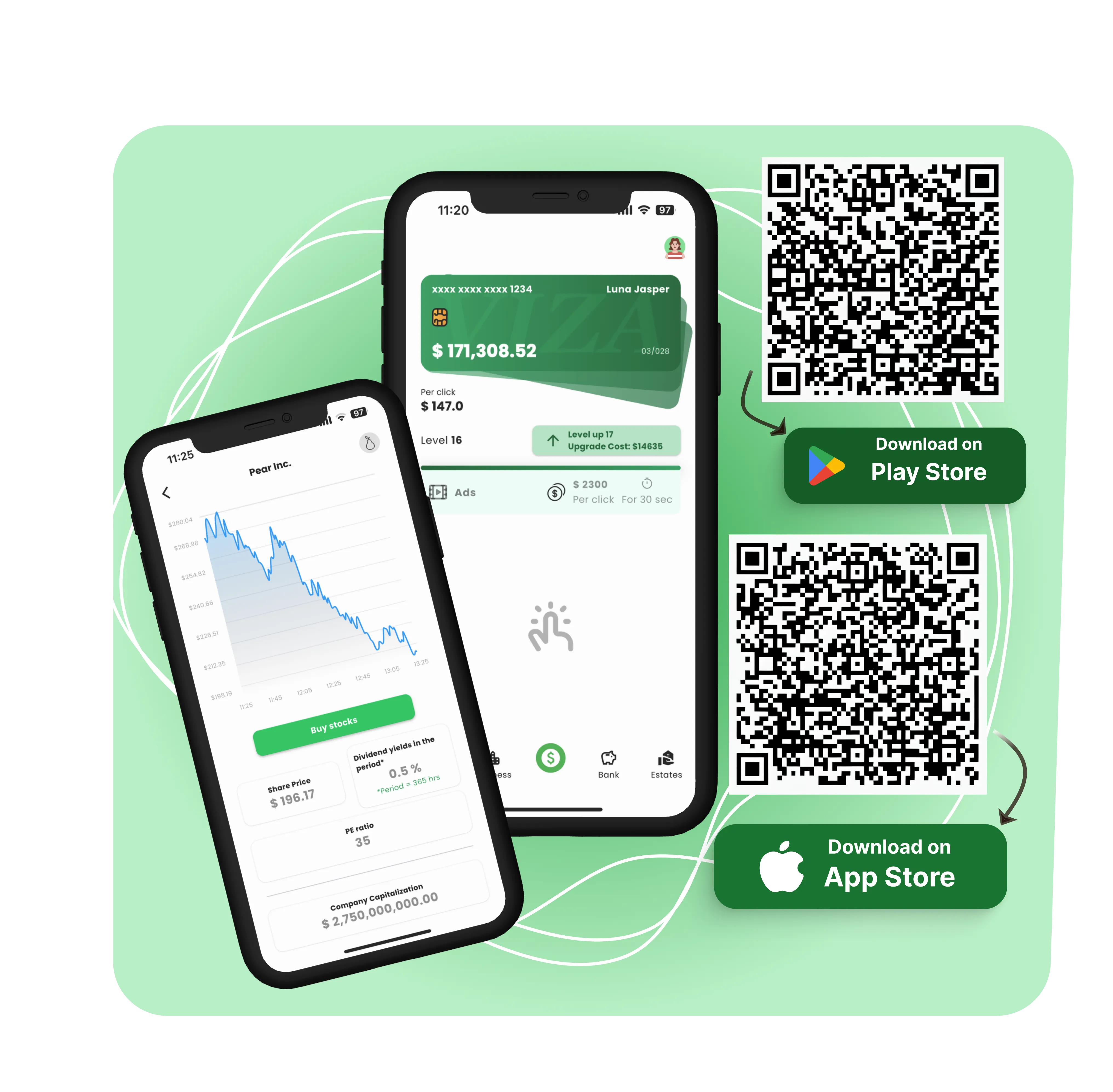
Download the Billionaire's Business Empire | Android | IOS |
Frequently Asked Questions (FAQs)
1. What is FOMO in mobile gaming?
FOMO (Fear of Missing Out) in mobile gaming refers to the anxiety players feel when limited-time offers, exclusive skins, or special events may disappear. This urgency pushes players to make quick in-app purchases to avoid regret. Time-sensitive rewards are intentionally designed to trigger this response.
2. How does social comparison increase in-game spending?
Social comparison happens when players measure their progress, rankings, or virtual items against others. Leaderboards, rare skins, and visible achievements create pressure to keep up. This competitive environment often motivates players to spend money to improve status or performance.
3. Why does instant gratification drive impulse purchases?
Instant gratification is the desire for immediate rewards. Mobile games offer quick upgrades, faster progression, or instant unlocks through paid purchases. The immediate dopamine reward reinforces spending behavior, making impulse buying more likely.
4. What are the long-term financial effects of spending in mobile games?
Uncontrolled in-app spending can accumulate over time and impact personal finances. Small, frequent purchases often go unnoticed until they become significant expenses. Without tracking or limits, players may experience financial stress or regret.


