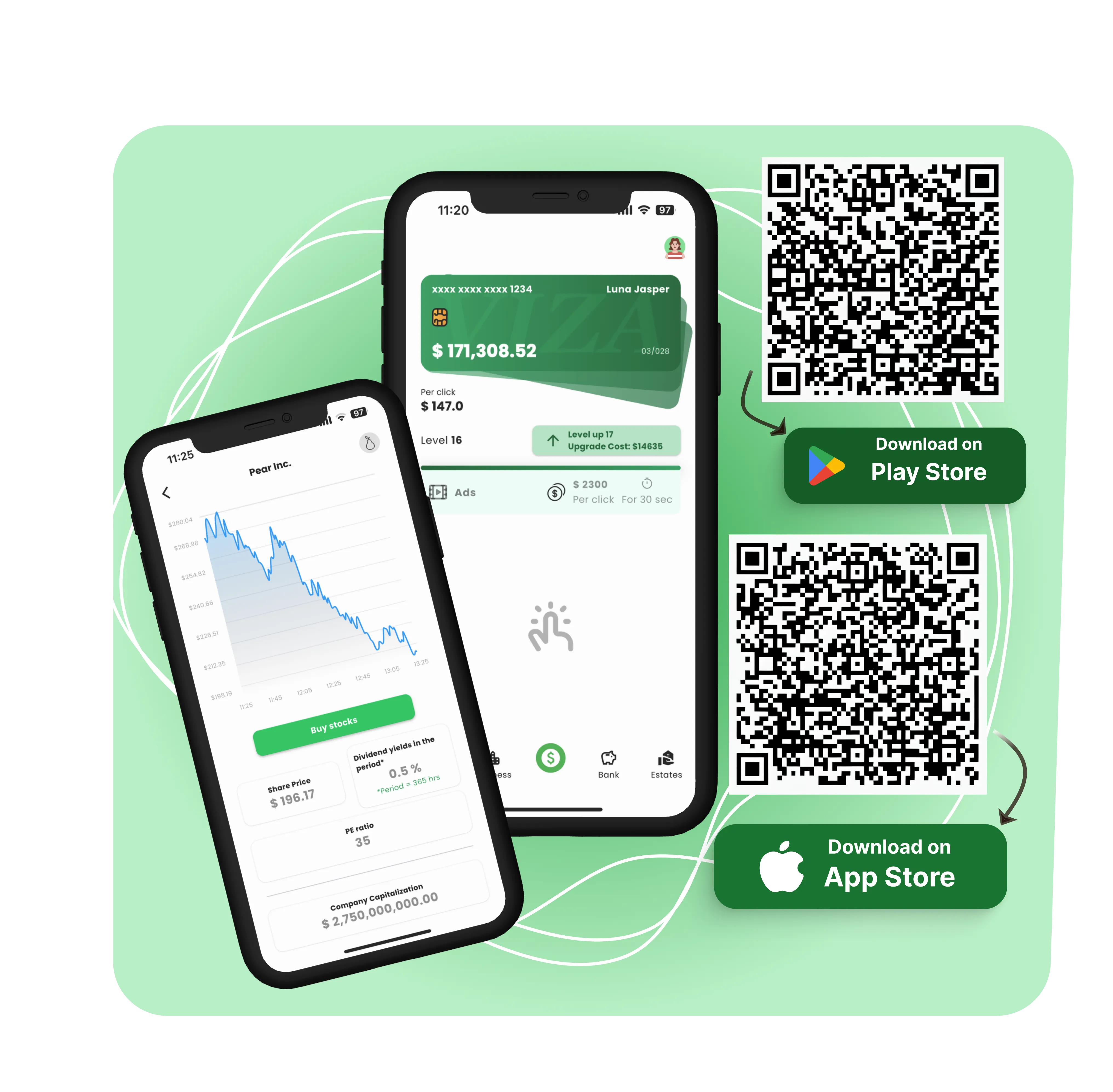

Idle business games have become one of the most popular mobile and browser genres over the past decade. At their core, an Idle Business Game allows players to build automated companies that generate revenue over time, even while offline.
What makes them so addictive isn't just the theme of entrepreneurship. It's the psychological satisfaction of watching numbers grow rapidly, profits compound, and systems scale with minimal effort.
This article explores the psychology behind why idle business games feel so rewarding and why players keep coming back.
Instant Gratification Meets Long Term Progress
Unlike traditional strategy games, an idle business game provides immediate feedback. The moment you invest in your first virtual venture, revenue starts generating automatically. That instant reward system creates momentum from the very first action.
Buy your first lemonade stand? It starts generating revenue every few seconds. Upgrade it? Now you're doubling profits. Within minutes, you're managing a small empire.
This fast feedback loop triggers a dopamine release in your brain, the feel good chemical associated with rewards. Each improvement or milestone gives you a burst of satisfaction.
And as your business grows, the rewards get even bigger, fueling a positive feedback cycle that keeps you coming back.
Passive Income Fantasy Realized
One of the core mechanics of every successful idle business game is passive income. Your virtual businesses continue earning money even when you close the app. When you return, your profits have multiplied.
Imagine waking up and finding your digital bakery made $100 million overnight. That's the ultimate version of making money while you sleep.
This directly taps into modern aspirations of financial freedom and automated income streams, ideas that real entrepreneurs strive for through investments, scalable businesses, and digital products. Idle business games simulate this perfectly, you build a system, then step back and let it work for you.
Exponential Growth Feels Empowering
Most idle business games are designed around exponential growth models. What starts as $1 a second soon becomes $10, then $1,000, and eventually millions or billions.
This kind of escalation isn't just exciting, it gives players a sense of control over rapid success.
Watching your numbers explode in an idle game simulates this turning point, and that's what keeps players hooked.
Clear, Rewarding Milestones and Upgrades
Progression systems are essential in any engaging idle business game.
Good idle games are structured around progression. You're not just growing your income, you're unlocking new businesses, hiring managers, automating production, and investing in research to boost efficiency.
Each of these milestones is carefully crafted to feel like an achievement. The games often include progress bars, level ups, and visual cues like growing cities or expanding office buildings, giving players a tangible sense of advancement.
In real life, entrepreneurs move through similar stages, from solo hustlers to CEOs managing large teams. The games gamify this journey, offering a fantasy of structured success that many crave but may not experience in the real world.
Risk Free Entrepreneurship
An idle business game offers a completely risk-free version of entrepreneurship.
You can invest recklessly, make questionable decisions, and bounce back with no real consequences. There's no stress from investors, no marketing headaches, no financial loss, just the thrill of experimenting and growing.
This creates a safe space to play out our entrepreneurial dreams, similar to how simulation games let us explore careers or lifestyles we might never try in real life.
Idle Games Activate Core Psychological Triggers
Psychologists have studied why these games are so addictive. Here are the core triggers that idle business games tap into:
Competence: You feel smart and effective as you optimize your empire.
Autonomy: You choose your strategy, what to invest in, and when.
Progress: Every minute brings more earnings, more unlocks, and more achievements.
FOMO: You don't want to miss out on passive income while you're away.
Goal Completion: Hitting revenue targets or upgrading businesses scratches that to do list itch.
It's not just fun, it's psychologically satisfying.
A Digital Mirror of Real World Success
At their core, idle business games are simplified metaphors for real world business empires.
They condense years of planning, investing, and scaling into a few hours of strategic play. And they allow everyone from students to working professionals to feel like billionaires in their own universe.
How Idle Business Games Trigger Dopamine Loops
The reason idle business games feel addictive is rooted in behavioral psychology. Every upgrade, revenue milestone, and unlock acts as a reward stimulus. These small, frequent rewards trigger dopamine release in the brain.
Unlike traditional games that require skill-based progression, idle games reward consistency and patience. The constant visual feedback of increasing numbers reinforces motivation and encourages continued engagement.
This combination of:
Immediate rewards
Visible progress
Compounding growth
Minimal effort
Creates one of the most satisfying gameplay loops in modern mobile gaming.
Final Thoughts: Why We Keep Coming Back
Idle business games are more than casual entertainment. A well-designed idle business game taps into deep psychological drivers: progress, achievement, autonomy, and reward.
They simulate wealth building, system optimization, and exponential growth in a simplified, satisfying format. Watching numbers rise isn't meaningless; it's a digital representation of momentum and success.
That's why we love them. And that's why we keep coming back.
Frequently Asked Questions About Idle Business Games
1. What makes idle business games different from traditional simulation games?
Idle business games focus on automated growth and passive income mechanics. Unlike traditional simulations that require constant interaction, idle games progress even when you're offline, creating a more casual and rewarding experience with less effort.
2. Are idle business games actually teaching me about entrepreneurship?
Yes, many use simplified versions of real business principles like ROI, scaling, automation, and reinvestment. While not a substitute for formal education, they offer a gamified introduction to basic entrepreneurial concepts.
3. Why do idle games often start with simple businesses like lemonade stands?
These familiar starting points reflect the real world idea of start small, dream big. They're easy to understand, relatable, and give players a clear path to progress toward more complex ventures, mirroring the journey of actual entrepreneurs.
4. Why do I feel addicted to watching numbers go up?
Idle business games trigger dopamine release in the brain through frequent small rewards. Watching numbers increase activates the brain's reward system, which creates a satisfying sense of progress and achievement.
5. Can idle business games be used in education or training?
Absolutely! Some educators and trainers use idle games to teach concepts like compound interest, resource management, and scalable business models. They are also great for introducing economics to students in a fun, low, pressure way.
6. How do idle business games make money?
Most idle business games use a freemium business model. The game is free to download, but developers generate revenue through in-app purchases, optional ads, and premium upgrades that accelerate progress.
7. Is there a strategy to progressing faster in idle games?
Yes, successful players often use techniques like prestige resets, balancing investments, and timing upgrades. Understanding when to reinvest or automate can significantly speed up your progress.


